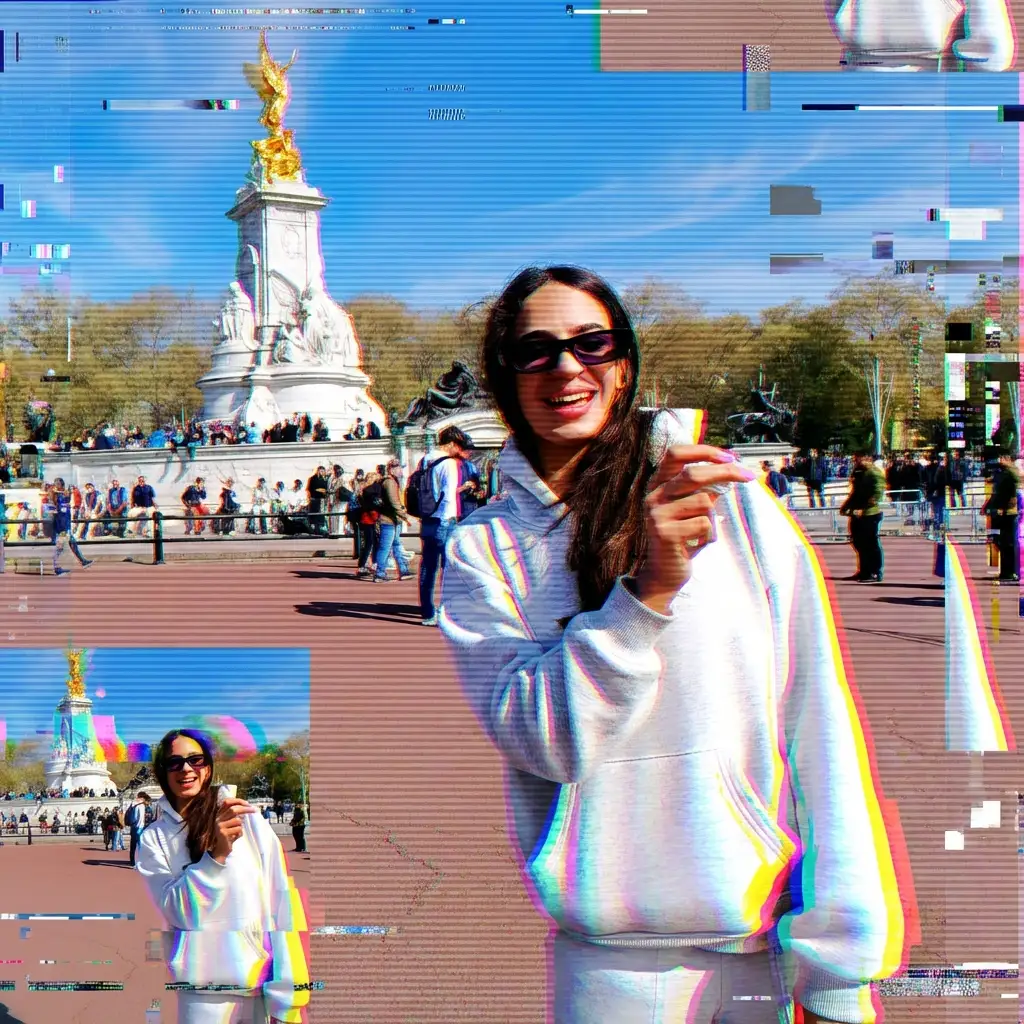
Glitch art aesthetic, digital distortion, fragmented visuals
About this style
Glitch art aesthetic embraces the beauty of digital errors and intentional corruption, transforming technical malfunctions into striking visual statements. This style emerged from the experimental digital art movement of the late 1990s and early 2000s, when artists began deliberately manipulating data and code to create distorted, fragmented imagery that challenges our expectations of digital perfection.
The aesthetic features pixelated artifacts, color channel shifting, scan line distortions, data moshing effects, and deliberately broken visual elements that create a sense of technological chaos and rebellion against polished commercial design.
This style works exceptionally well for album covers, cyberpunk narratives, social media content that needs to stand out, or any project seeking an edgy, contemporary, or anti-establishment feel. To achieve the best results, combine specific glitch terminology in your prompts like "RGB shift," "databending," "compression artifacts," or "screen tearing" along with your subject matter, and consider specifying color palettes dominated by neons, magentas, cyans, and stark contrasts.
Both Gemini Image Pro and OpenAI 4o handle glitch aesthetics effectively, though you may need to emphasize the intentional nature of the distortion to prevent the AI from simply generating corrupted or unclear images. For more controlled results, specify which type of glitch effect you want dominant in the composition rather than requesting generic distortion.