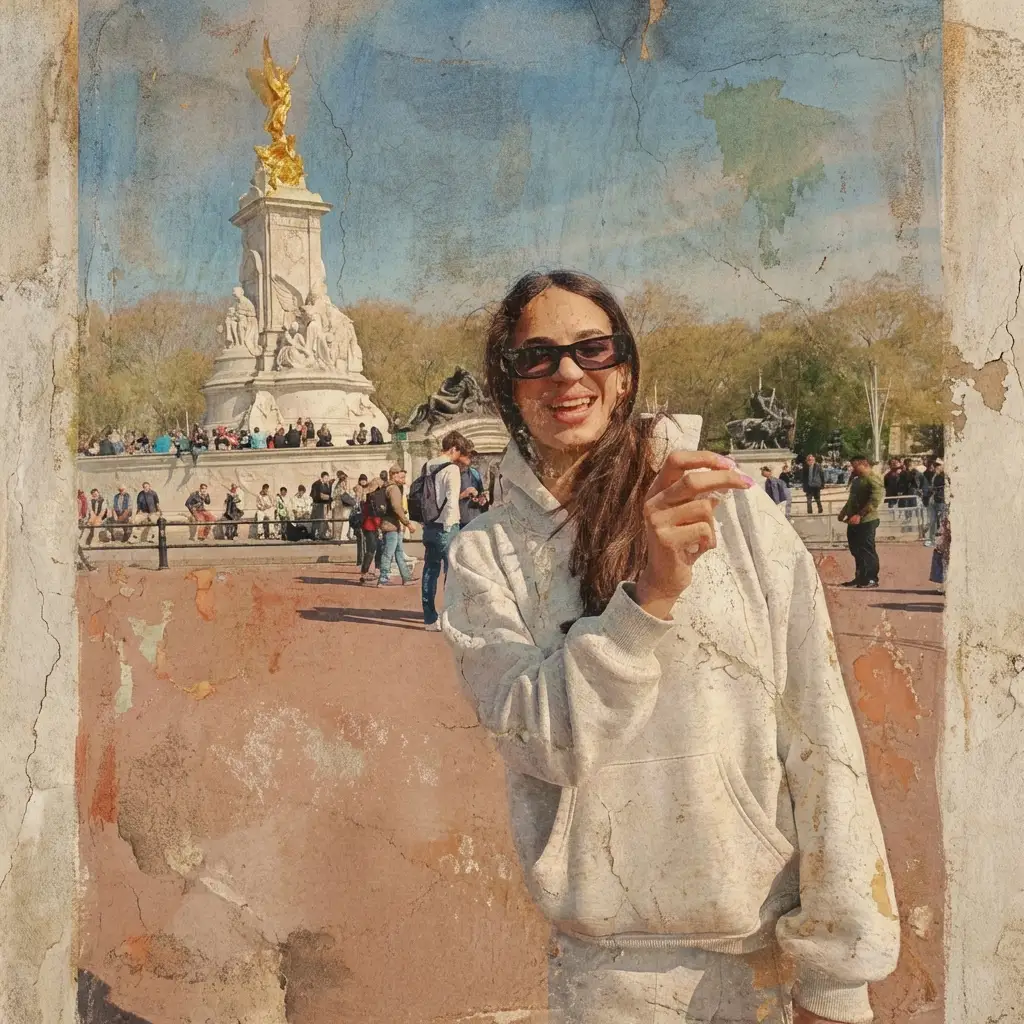
Fresco painting style, muted pigments, historical wall art look
About this style
Fresco is a classical painting technique that captures the timeless beauty of pigments applied to wet plaster, creating artwork that becomes an integral part of architectural walls. This ancient method dates back to antiquity and reached its pinnacle during the Italian Renaissance with masters like Michelangelo and Raphael, who adorned chapels and palaces with breathtaking scenes that have endured for centuries.
The aesthetic is characterized by soft, muted earth tones, slightly faded colors, subtle texture variations, and an inherent sense of aged grandeur that evokes European cathedrals and historical monuments.
This style works exceptionally well when you want to give modern subjects a classical, reverent quality or when creating artwork that feels like it belongs in a museum or sacred space. The naturally limited color palette of historical frescoes—dominated by ochres, siennas, pale blues, and muted reds—lends images a sophisticated restraint and timeless elegance.
For best results, emphasize architectural or figurative subjects, reference specific historical periods like Renaissance or Baroque, and include terms like "aged plaster," "chalky texture," or "weathered wall" to enhance authenticity.