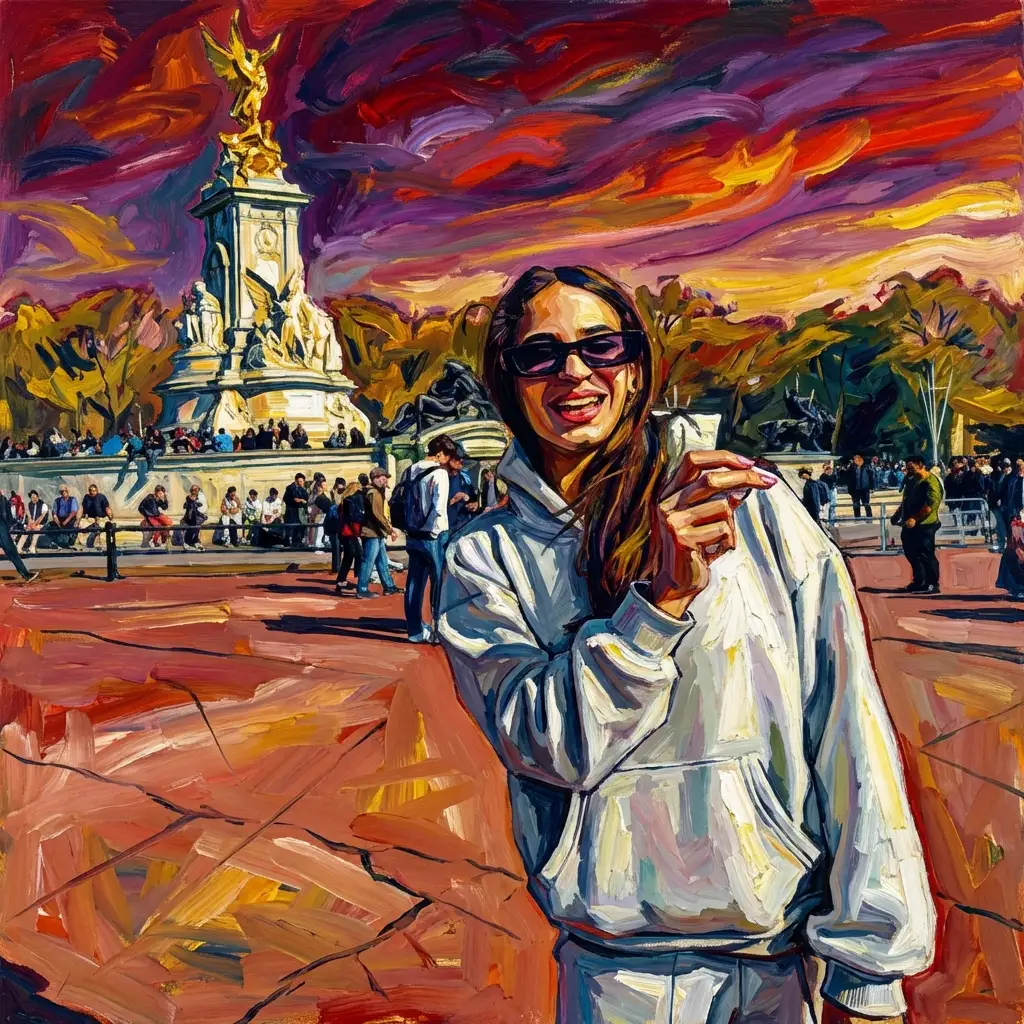
Expressionist art, distorted forms, emotional color use
About this style
Expressionist art emerged in early 20th century Germany as a powerful rejection of realistic representation, prioritizing raw emotional experience over objective reality. This style is characterized by bold, distorted forms, exaggerated perspectives, and intense, non-naturalistic color palettes that convey inner turmoil, anxiety, joy, or spiritual depth rather than depicting the world as it appears.
Artists like Edvard Munch, Ernst Ludwig Kirchner, and Wassily Kandinsky pioneered this approach, using jarring colors and warped shapes to externalize psychological states and challenge viewers' comfort zones.
This aesthetic works exceptionally well when you want to create images that feel visceral, psychologically charged, or emotionally provocative rather than merely beautiful or accurate. It's ideal for conceptual projects, album artwork, editorial illustrations, or any creative work meant to evoke strong feelings or represent subjective experiences like dreams, memories, or mental states.
To achieve the best results, emphasize terms like "intense colors," "angular distortion," "emotional brushwork," and "psychological intensity" in your prompts, and consider referencing specific Expressionist movements like Die Brücke or Der Blaue Reiter for more targeted results.