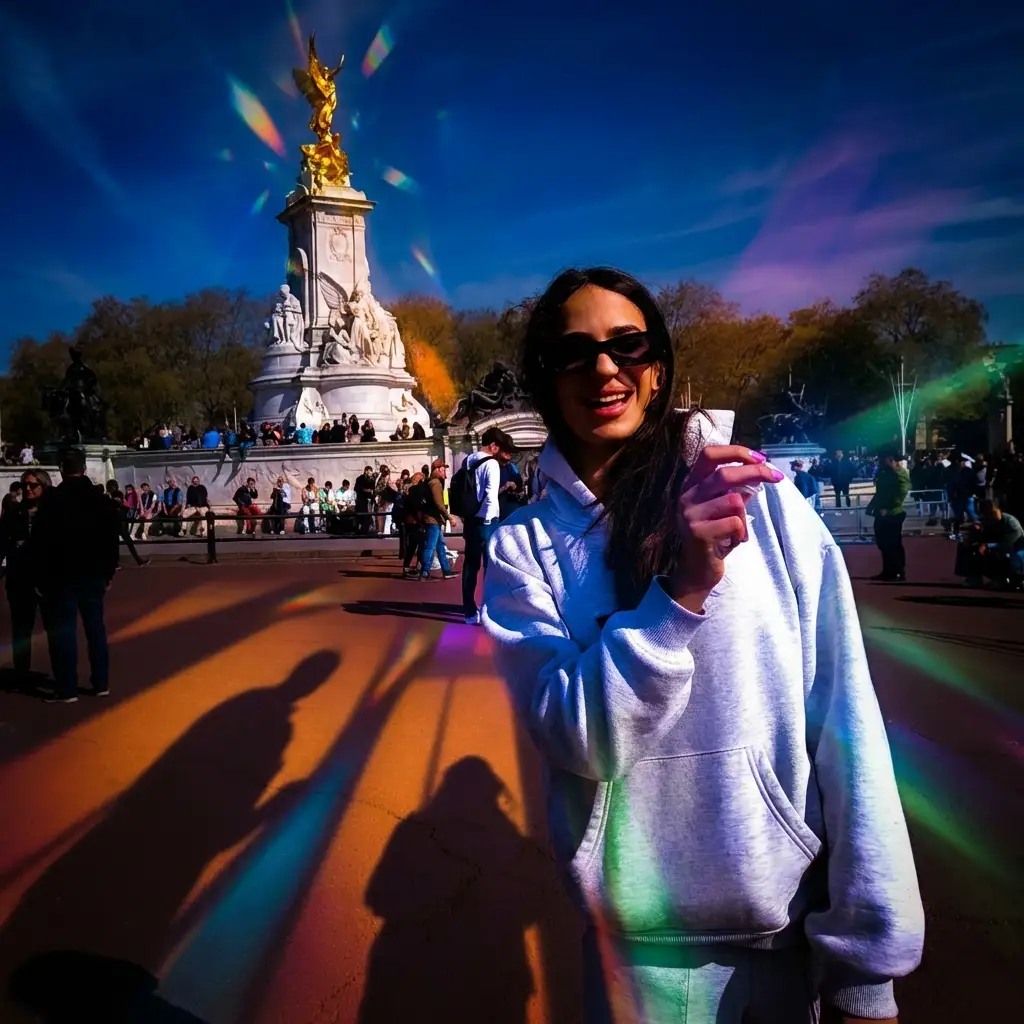
Experimental Lighting is a photographic and artistic approach that pushes beyond conventional illumination techniques to create dramatic, unconventional, and often surprising visual effects through the strategic manipulation of light sources, shadows, and color temperatures. This aesthetic has its roots in early 20th century avant-garde photography and the works of artists like Man Ray and László Moholy-Nagy, who explored light as a sculptural medium itself rather than merely a tool for visibility.
The style emphasizes unusual shadow patterns, unexpected light placement, colored gels, practical effects like projections or reflections, and non-traditional light sources to transform ordinary subjects into striking studies of form and contrast. Artists and designers typically employ this approach when they want to evoke mood, create abstract compositions, highlight texture and dimensionality in unexpected ways, or simply break free from realistic lighting conventions to produce images that feel otherworldly or cinematic.
When working with this prompt style, you'll achieve the best results by being specific about your light sources, such as mentioning neon lights, spotlights, backlighting, rim lighting, or colored filters, and describing the quality of shadows you want like harsh, fragmented, layered, or geometrically patterned.