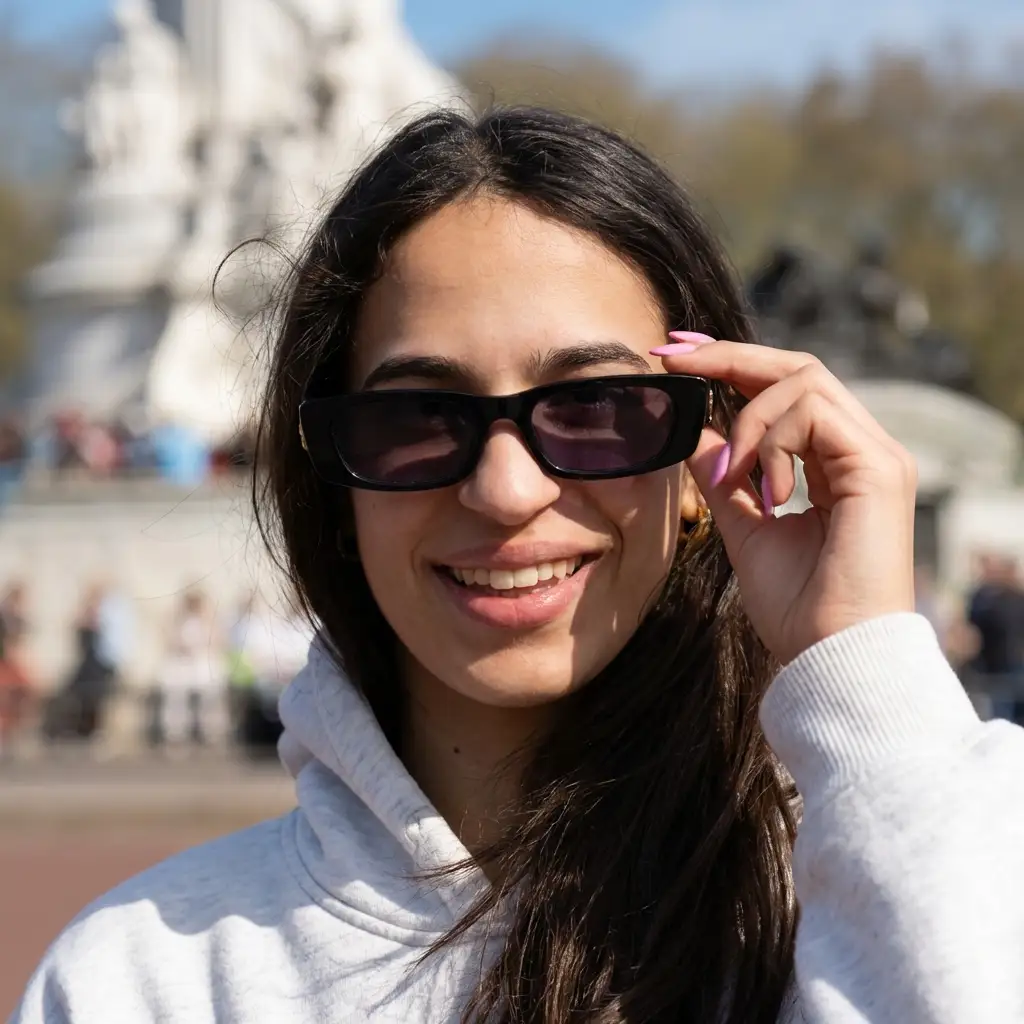
80mm macro lens photography, intimate close-up with slightly more working distance, beautiful bokeh, intricate detail capture, creamy out-of-focus areas, natural color rendition, studio-quality sharpness
About this style
The 80mm macro lens photography style creates intimate close-up images with a slightly longer working distance than traditional macro lenses, allowing photographers to capture intricate details while maintaining comfortable space between the camera and subject. This focal length became popular among portrait and product photographers in the mid-20th century as it combines the magnification power of macro photography with a flatter, more flattering perspective and exceptionally creamy bokeh that isolates subjects beautifully.
The result is studio-quality sharpness in the focused areas while background elements melt into soft, dreamy blur, making it ideal for product photography, food styling, jewelry shots, botanical studies, and detailed texture work where you want to reveal hidden worlds without the extreme magnification of shorter macro lenses.
This style works wonderfully when you need to showcase fine craftsmanship, capture the delicate structure of flowers or insects, or create professional product images with an artistic edge. The slightly longer focal length compared to 50mm or 60mm macros means less distortion and more working room, which is especially valuable when photographing reflective surfaces or subjects that might be disturbed by a camera too close.
For best results with AI generation, emphasize specific subject matter, lighting conditions like soft natural light or controlled studio setups, and descriptive terms about texture and material properties you want highlighted in sharp detail.
Both Gemini Image Pro and OpenAI 4o handle this photography style effectively, with Gemini excelling at rendering organic subjects like flowers and natural textures with lifelike detail, while OpenAI 4o often produces more consistent bokeh quality and controlled studio lighting scenarios. When crafting your prompts, include specific details about what should be in sharp focus versus softly blurred, the color palette you're aiming for, and any particular mood or commercial application to guide the AI toward your vision.