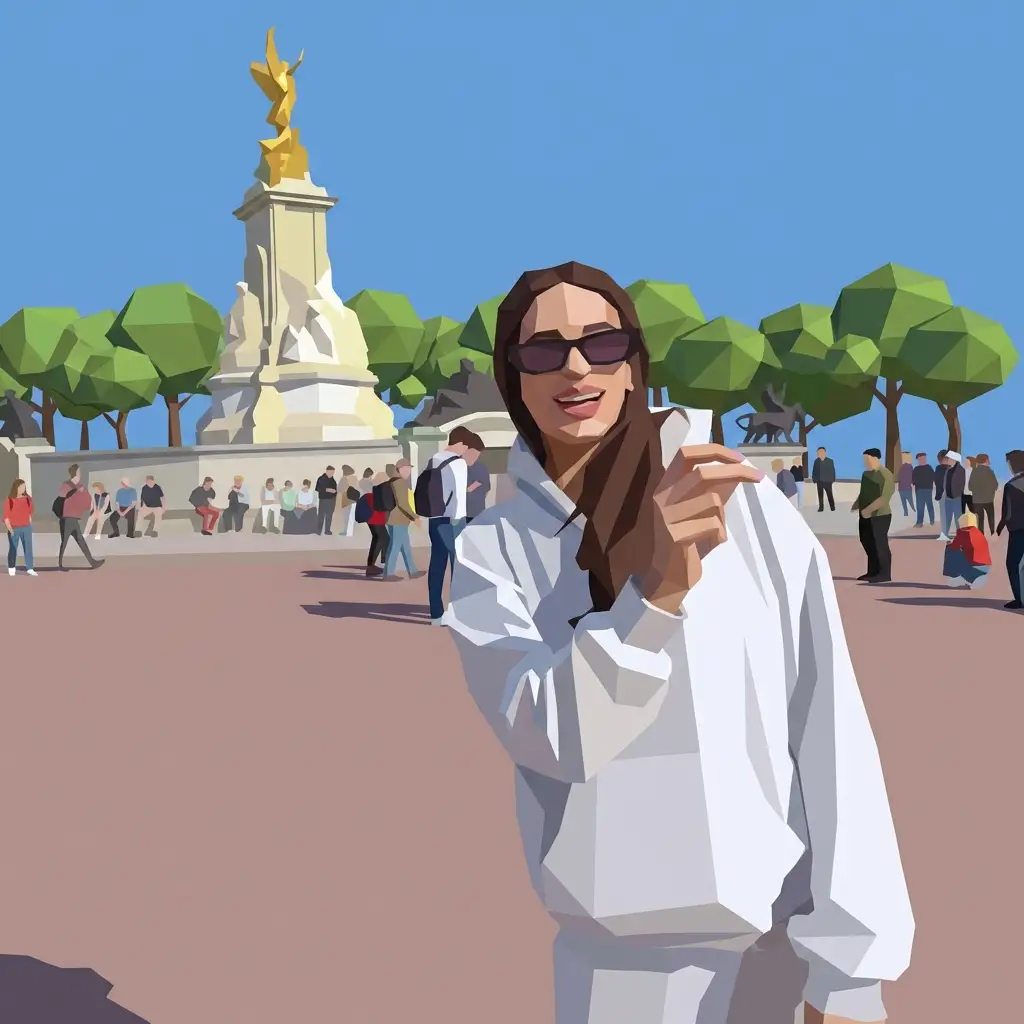
Low-poly 3D style, simplified geometry, flat shading, game-inspired
About this style
Low-Poly 3D is a distinctive visual style characterized by angular, faceted surfaces created from a minimal number of polygons, combined with flat color shading that emphasizes the geometric structure rather than realistic textures. This aesthetic originated from technical limitations in early 3D video games and modeling software from the 1990s and early 2000s, but has since evolved into a deliberate artistic choice celebrated for its clean, minimalist appeal and nostalgic charm.
The style strips away complexity to reveal the fundamental geometric shapes that comprise 3D objects, creating imagery that feels both modern and retro simultaneously.
This style works exceptionally well for game concept art, indie game assets, architectural visualizations, product mockups, and any project where clarity and readability are prioritized over photorealism. Designers and artists often choose low-poly aesthetics when they want to convey information quickly, create stylized characters or environments, or evoke the playful nostalgia of classic gaming eras.
The simplified geometry also makes this style popular for web graphics and mobile applications where visual impact matters but file sizes need to remain manageable.
For best results when prompting AI models, be specific about the color palette you want, mention the level of geometric simplification, and specify whether you want hard edges or slight smoothing.