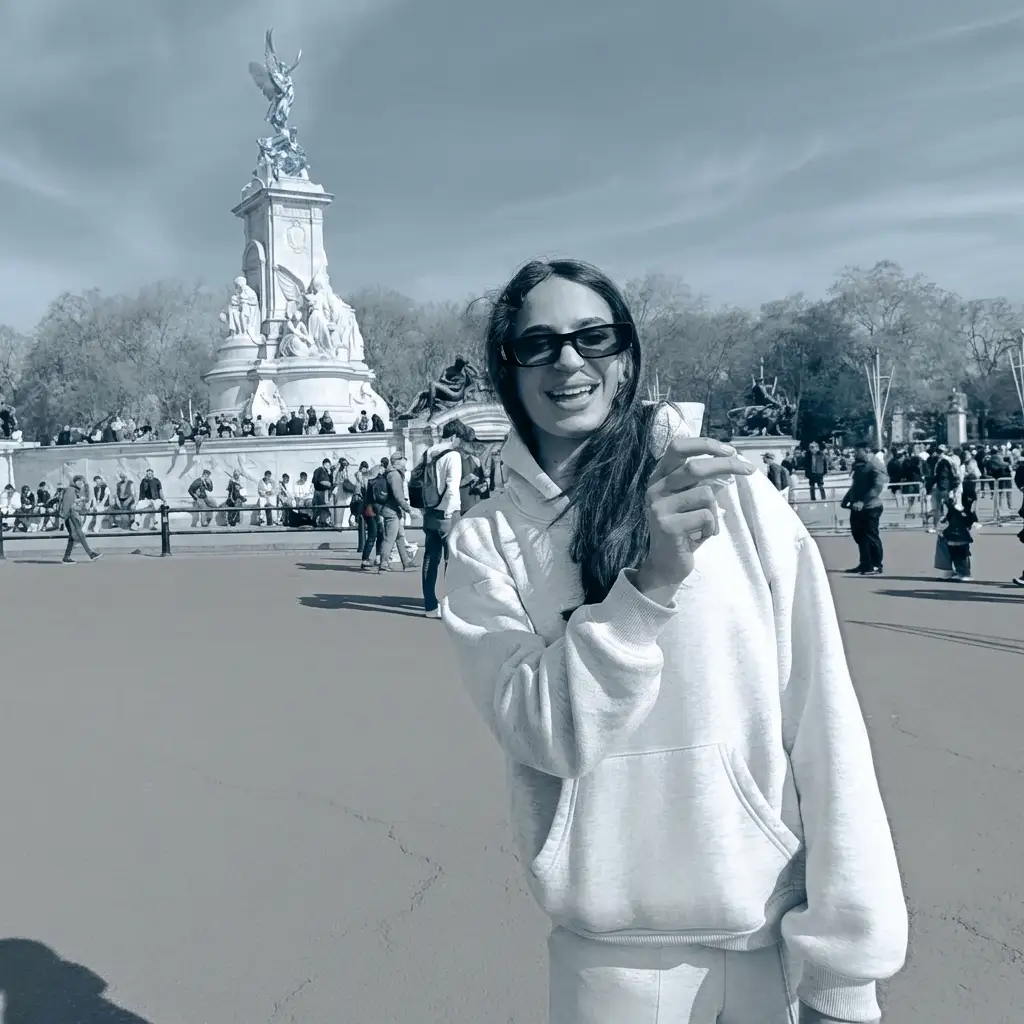
Duotone photography in blue and grey tones, cool steel blue highlights with neutral grey shadows, modern minimalist color grading, editorial and contemporary feel, muted yet striking two-tone palette
About this style
Duotone blue and grey photography creates a sophisticated, contemporary aesthetic by reducing an image to just two complementary tones: cool steel blue for highlights and neutral grey for shadows. This technique evolved from traditional darkroom printing methods and gained massive popularity in modern editorial design, particularly in fashion magazines, corporate branding, and minimalist web design where a restrained color palette conveys professionalism and elegance.
The combination of blue and grey specifically evokes feelings of calm, trust, and modernity, making it ideal for tech industry visuals, architectural photography, urban landscapes, and portrait work that needs a clean, gallery-worthy appearance.
When working with this style, you'll achieve the best results by starting with images that have strong contrast and clear separation between light and dark areas, as the duotone effect relies on tonal range to create visual interest. Subjects like cityscapes, industrial scenes, portraits with dramatic lighting, and architectural details work particularly well since the simplified palette draws attention to form, texture, and composition rather than color variety.
Both Gemini Image Pro and OpenAI 4o handle this aesthetic beautifully, with Gemini excelling at maintaining subtle gradations between the blue and grey tones while OpenAI 4o often produces slightly more punchy, editorial-ready results with sharper contrast. For optimal outcomes, consider pairing this style with descriptors like "high contrast," "clean composition," or "minimal background" to help the AI understand you're seeking that refined, magazine-quality look rather than a flat color filter.