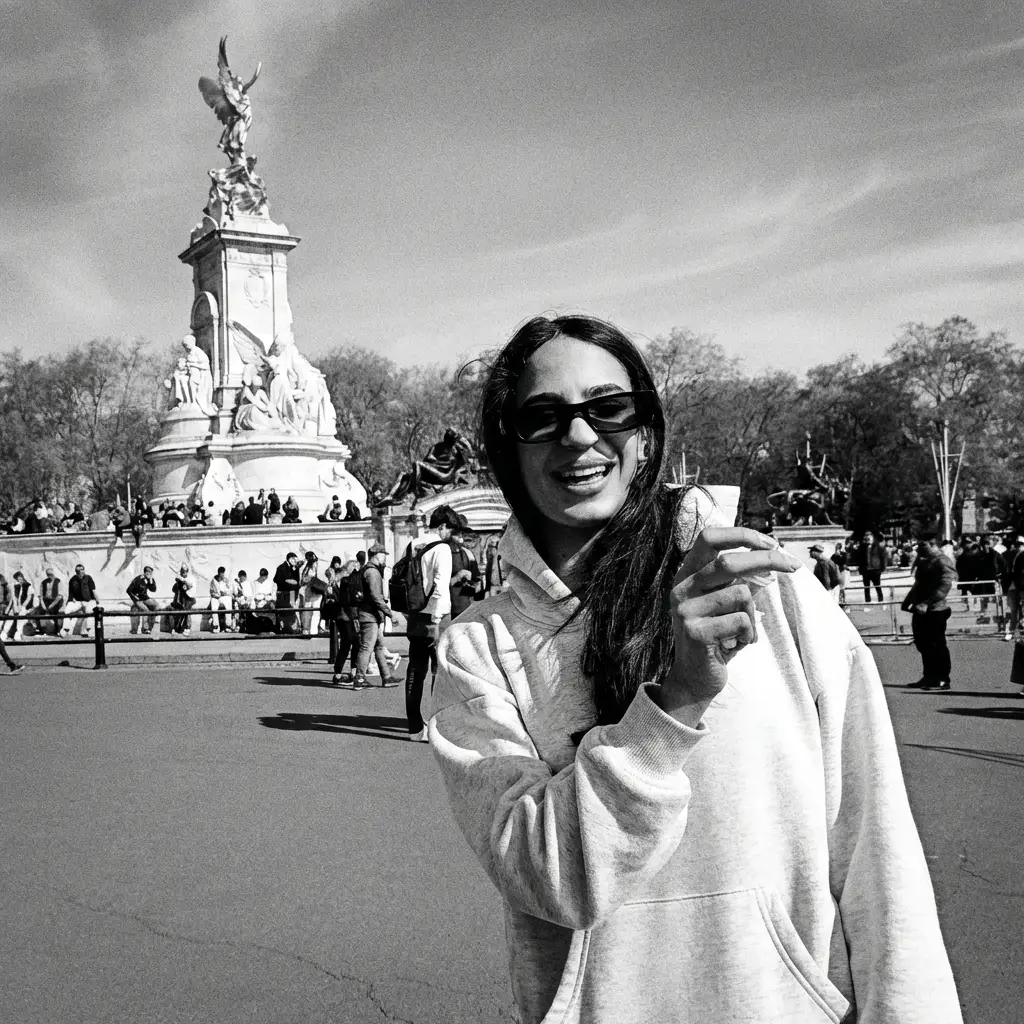
Classic black and white film photography, rich tonal range from deep blacks to bright whites, visible film grain, dramatic contrast, timeless monochrome aesthetic, shot on Ilford HP5 or Tri-X 400, analog darkroom print quality
About this style
Black and white film photography represents the foundational aesthetic of photographic art, capturing scenes through luminance values rather than color to create images with emotional depth and timeless appeal. This style originated in the earliest days of photography and remained dominant until color film became widely accessible in the mid-20th century, yet it has persisted as an artistic choice because it strips away the distraction of color to emphasize form, texture, contrast, and composition.
The characteristic grain structure, tonal gradation, and contrast ratios associated with classic film stocks like Ilford HP5 Plus and Kodak Tri-X 400 create a distinctive look that digital photography often attempts to emulate but rarely matches in organic quality.
Photographers and artists choose black and white film aesthetics when they want to evoke nostalgia, create a sense of timelessness, emphasize dramatic lighting, or direct attention to compositional elements like shape, pattern, and texture. This style excels with subjects like portraiture, street photography, architectural studies, landscape work, and documentary imagery where emotional resonance matters more than literal color representation.
For best results with AI image generation, specify the film stock type, desired grain intensity, contrast level (low, medium, or high key), and mention analog darkroom characteristics like dodging and burning if you want those traditional printing techniques reflected in the output.
Both Gemini Image Pro and OpenAI 4o handle black and white film aesthetics exceptionally well, with strong understanding of analog photography terminology and the ability to reproduce authentic grain patterns, tonal ranges, and contrast characteristics. These models can distinguish between different film stocks and processing styles when prompted with specific technical details, allowing you to achieve results ranging from soft, low-contrast fine art prints to gritty, high-contrast documentary style images.